
Introduction
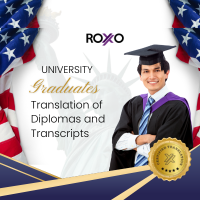
Studying in the United States is the dream of thousands of Brazilians and other international students who seek better academic and professional opportunities. But to be accepted into an American university, it’s not enough to have good grades or a strong résumé — you must submit documents officially translated into English.
Among the most important are diplomas and academic transcripts. And in 2025, with application processes becoming increasingly digital and strict, understanding how official translation works is essential to ensure your application is not rejected.
In this article, you will learn:
Why official translation is mandatory for U.S. universities.
Which documents need to be translated.
How the process works in 2025.
Common mistakes that can delay your application.
How to choose a reliable translation service.
Why do American universities require official translation?
U.S. institutions need to properly evaluate the academic background of international students. To do this, documents must be in English and carry legal validity.
This means that translations done by yourself or with online tools are not accepted. Universities require certified translations, accompanied by a statement from the translator confirming the accuracy of the content.
Without this requirement, your application can be rejected or placed on hold until the correct documents are submitted.
Which documents need to be translated?
The set of documents depends on the academic level (undergraduate, graduate, exchange program), but the most common include:
High school transcript (for undergraduate applicants).
High school diploma or equivalent.
University transcript (for graduate applicants).
University diploma.
Course syllabi or descriptions (sometimes required for credit validation).
Supplementary certificates (technical courses, language programs, specializations).
👉 In 2025, many universities already allow fully digital submission of documents, but they still require translations to come with the translator’s certified signature.
How the official translation process works in 2025
Gather your documents – scan your diplomas and transcripts in high quality.
Choose a certified translator – only official translations are accepted.
Request a quote – inform the application deadline and the documents required.
Receive the certified translation – usually delivered as a digitally signed PDF and, if requested, a printed copy.
Upload to the university portal – many institutions use platforms such as the Common App or their own systems, which already accept uploads of certified translations.
The biggest change in 2025 is the digitalization of the process: more and more universities accept certified digital translations, which speeds up submission significantly.

Common mistakes when translating diplomas and transcripts
Using Google Translate or free tools: not accepted for official purposes.
Inconsistent names: the name must match your passport exactly.
Incorrect formatting: the translator must mirror tables, grades, and remarks from the original.
Tight deadlines: certified translations take time, especially for long transcripts.
Not checking the specific requirements of the university: some require sworn translations, others only certified ones.
How to choose a reliable translation service
Before hiring, make sure the translator or company:
Provides a certificate of accuracy accepted in the U.S.
Has experience with academic documents.
Can meet your university deadlines.
Guarantees confidentiality and secure handling of documents.
Has positive reviews from students who have gone through the same process.
👉 Specialized companies, such as Roxo Translations, provide certified translations accepted by American universities and already support students applying for exchange programs, undergraduate and graduate studies in the U.S.
The impact of official translation on your academic future
A poorly done translation can delay your application or even prevent your acceptance. On the other hand, an official translation ensures your academic history is recognized internationally, opening doors to scholarships, exchange programs, and professional opportunities in the United States.
Investing in certified translation is investing in the credibility of your academic journey.
Conclusion
In 2025, the process of applying to American universities is increasingly digital, but the requirement for official translations remains strict. Properly translated diplomas and transcripts are the key to making sure your application is accepted without problems.
Avoid shortcuts, choose qualified professionals, and organize your documents in advance. This way, you’ll take a safe step toward your dream of studying in the United States.
👉 Need to translate your diploma or transcript?
Roxo Translations provides certified translations accepted by universities across the U.S. Request your quote today and prepare to secure your spot in 2025!
Related topics: diploma translation, transcript translation | official translation USA | study in American universities 2025











 Iniciar Conversa
 Faça Seu Pedido