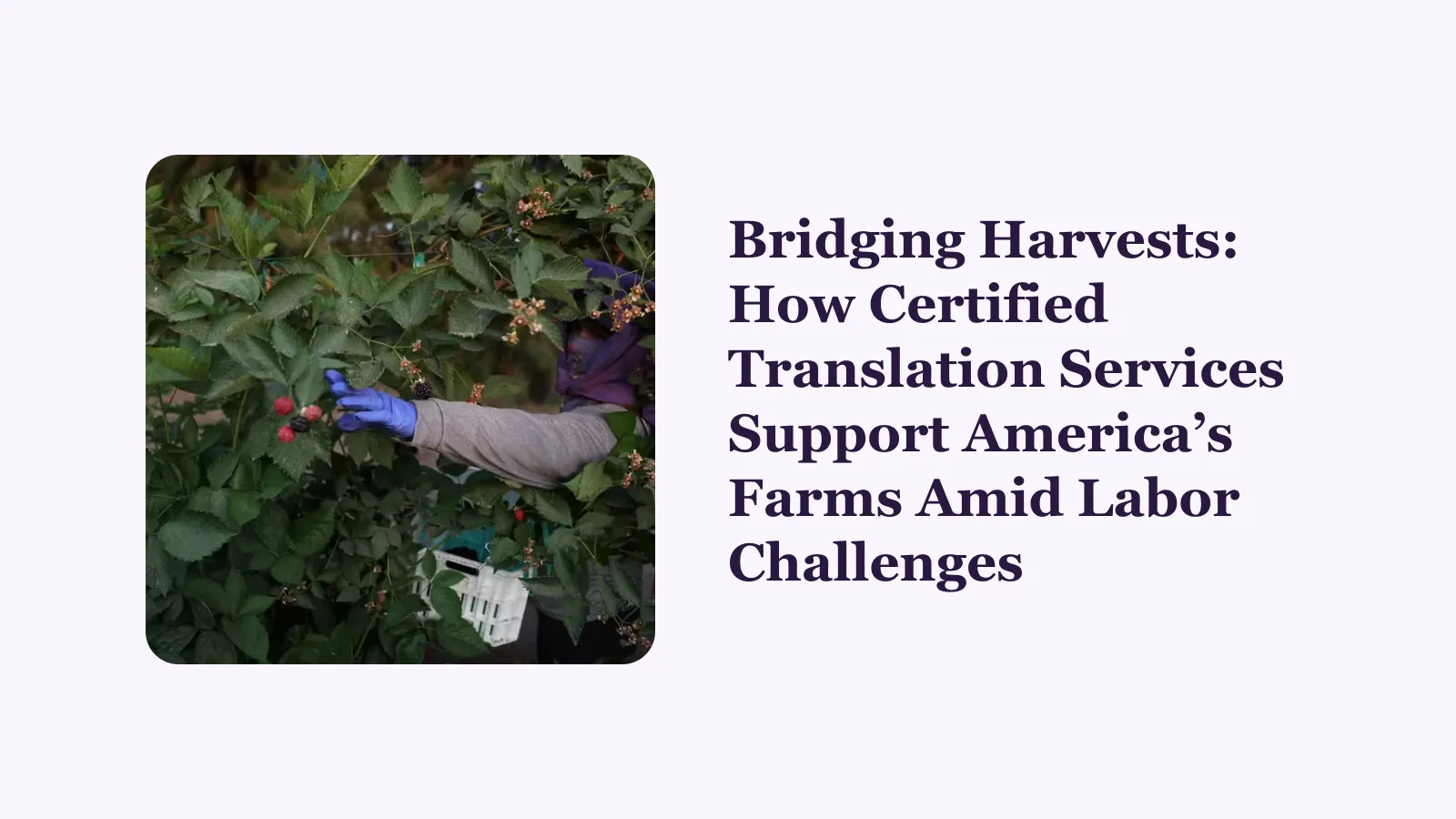
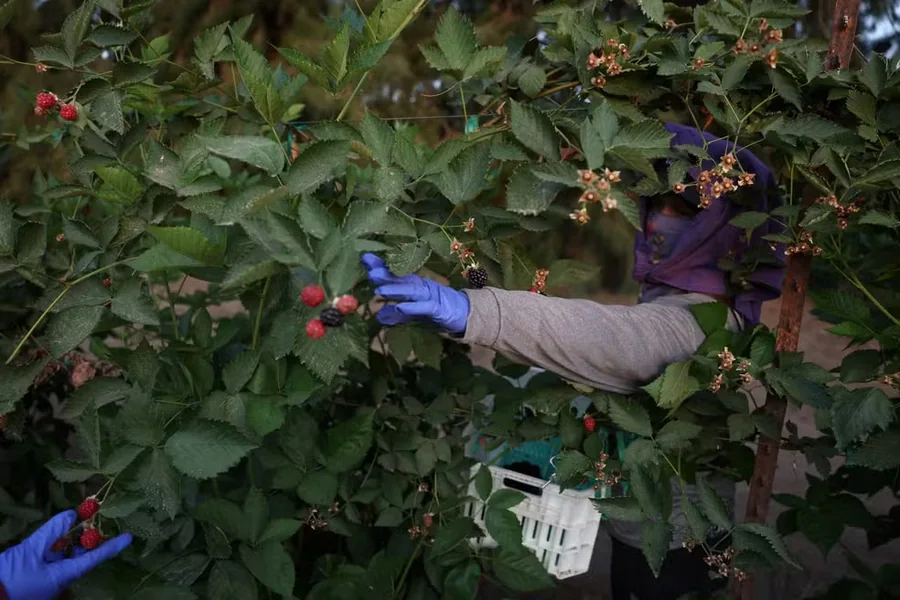
The sun rises over California’s Central Valley, painting endless rows of almond orchards and strawberry fields in golden light. Yet beneath this idyllic scene, a crisis brews: farmers report crops rotting on vines as labor shortages reach catastrophic levels. Recent crackdowns on undocumented immigrants have left farms scrambling for workers, with the American Farm Bureau Federation estimating losses exceeding $43 million in unharvested produce. This isn’t just an agricultural issue, it’s a communication challenge where certified translation services emerge as unsung heroes in preserving America’s food security.
The Labor-Communication Nexus
Farm labor in the U.S. has long relied on immigrant workers, many from Spanish-speaking countries. With heightened immigration enforcement, farms face a dual dilemma:
- Documentation Barriers: Legal workers require accurately translated birth certificates, contracts, and training materials.
- Safety & Compliance: OSHA guidelines, pesticide warnings, and equipment instructions demand precise multilingual communication.
A single mistranslation can delay hiring, cause accidents, or trigger regulatory penalties. Consider a Washington apple grower who lost 30% of his harvest because training manuals mislabeled pesticide concentrations. Such errors underscore why certified translations, notarized and accuracy-guaranteed, are non-negotiable.
Why "Google Translate" Isn’t Enough
While AI tools offer convenience, they fail in high-stakes scenarios:
- Legal Vulnerability: Uncertified translations of work visas or contracts may be rejected by USCIS, stalling employment.
- Cultural Nuances: Regional dialects (e.g., Mexican vs. Guatemalan Spanish) can alter safety instructions.
- Industry Specificity: Agricultural terms like “thinning” or “bole” require field expertise.
Certified translators bridge these gaps with linguists trained in agricultural terminology, labor laws, and compliance protocols.
Beyond Farms: Ripple Effects
- Supply Chains: Grocery prices surge when yields drop.
- Rural Economies: Farm jobs support local businesses.
- Global Trade: The U.S. exports $150 billion in ag products annually; delays tarnish reliability.
Here, translation services facilitate solutions:
- Recruitment: Translating job ads for H-2A visa workers across Latin America.
- Advocacy: Helping farm unions communicate policy needs to legislators.
- Community Integration: Translating healthcare resources for workers’ families.
Choosing the Right Translation Partner
For businesses navigating this landscape, prioritize providers offering:
AAPI-Certified Translators (American Translators Association)
Industry Specialization (agriculture, immigration law)
Confidentiality Guarantees (e.g., HIPAA-compliant for worker health data)
At [Your Company Name], our linguists include former agronomists and immigration paralegals, ensuring translations that are both precise and context-aware.
Conclusion: Cultivating Connections
As debates about immigration reform continue, one truth remains: America’s farms cannot function without skilled labor, and labor cannot thrive without clear communication. Certified translation services do more than convert words; they sow trust, safety, and efficiency. For farmers facing barren fields, or businesses supporting immigrant communities, investing in professional translation is an investment in resilience.
When strawberries wither unpicked, we all lose. But when language bridges divide, we harvest hope.
Related topics: Certified Translation Services USA, Agriculture Document Translation, H-2A Visa Translation Services, Legal Spanish Translation for Farms, USCIS Certified Translator
















 Brochures
  Name Change
  Adoption Documents
  Death Certificates
  Driving License
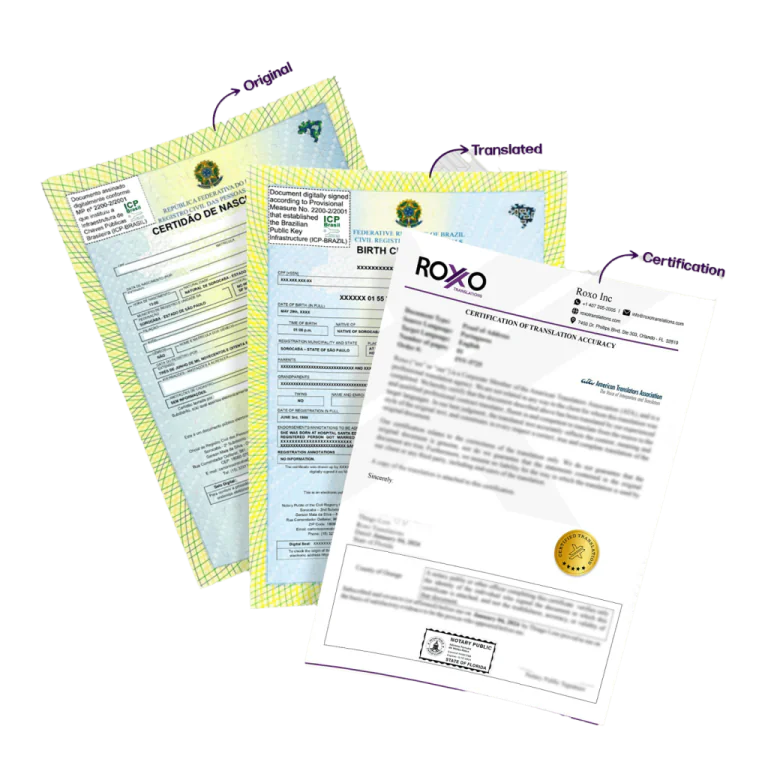
  Birth Certificate
  User Manual
  Marriage Certificate
  Academic Transcripts
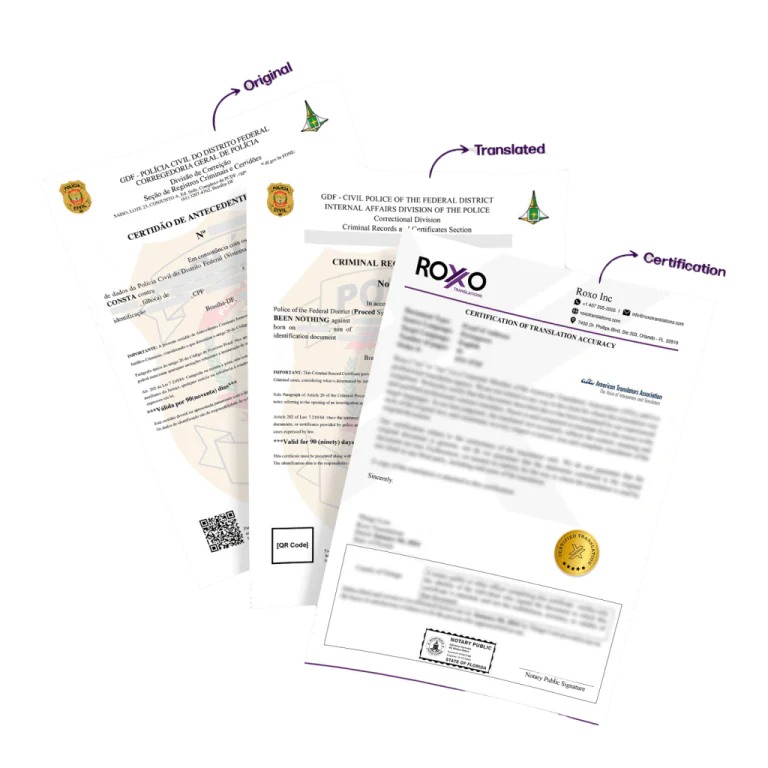
  Criminal Record
  Vaccination Record
  Press Release
  Court Documents
  ID Card
  Legal Contract
 Arabic
  Chinese
  French
  German
  Italian
  Japanese
  Korean
  Portuguese
  Russian
  Spanish
  Vietnamese