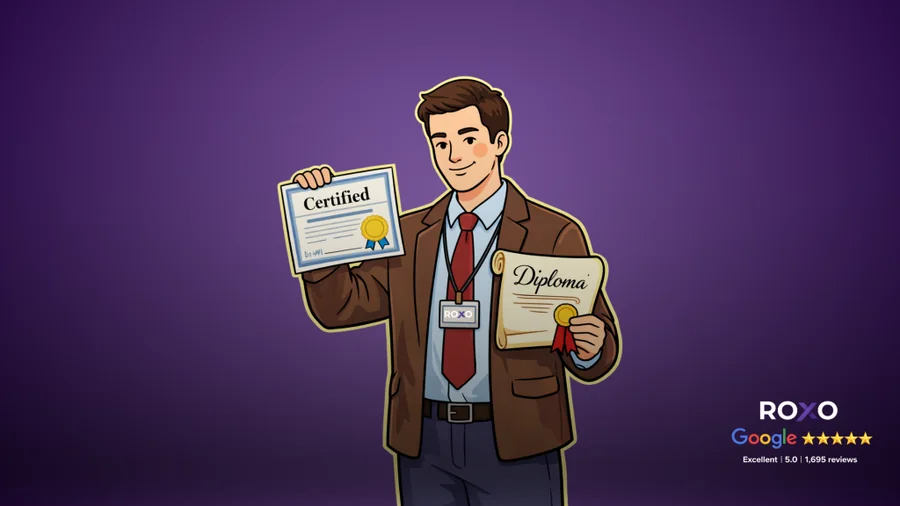
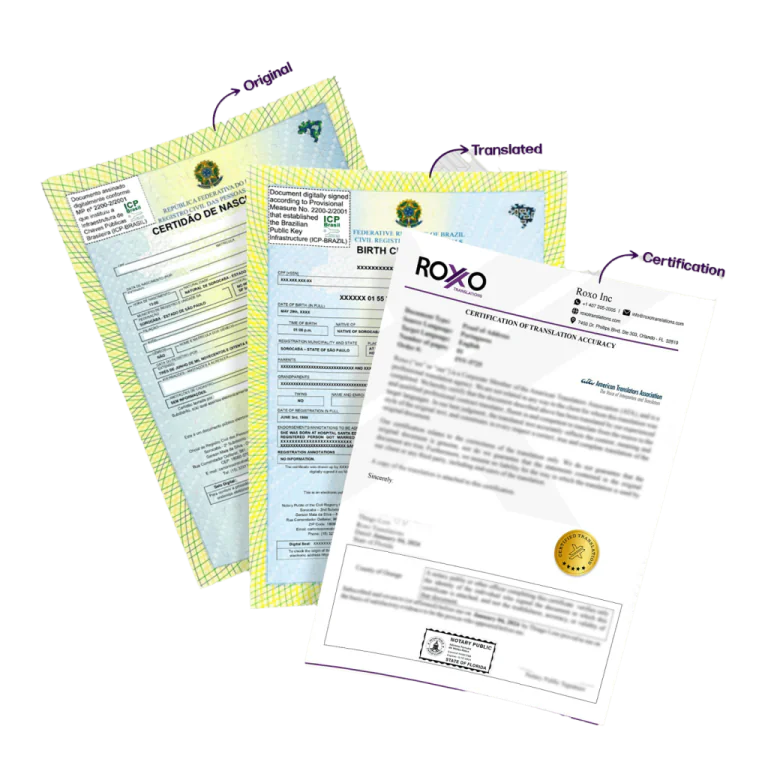
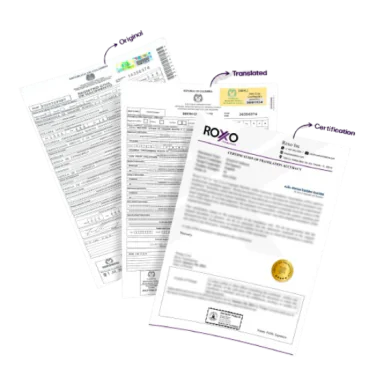
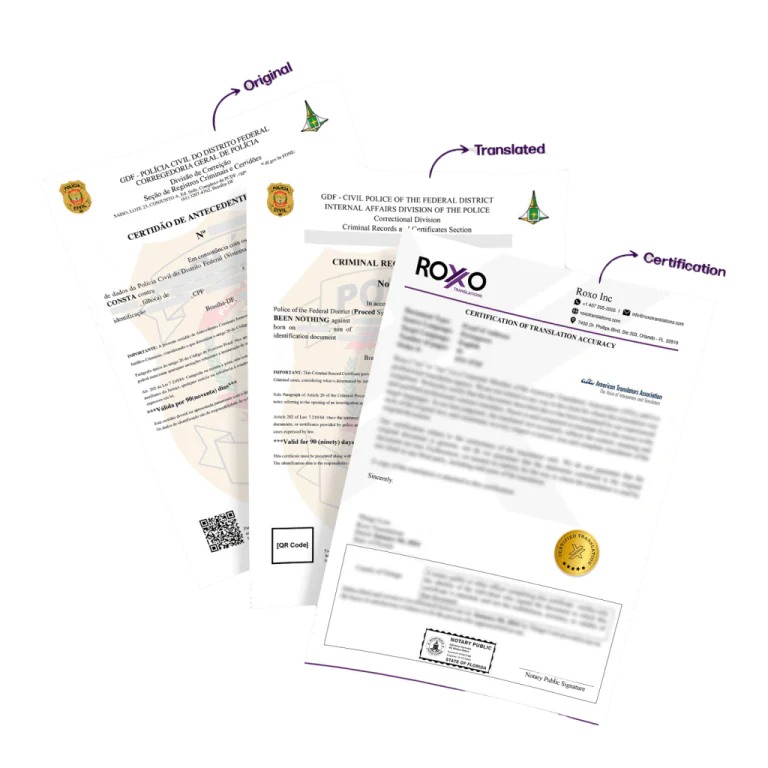
A certified translation is a complete and accurate translation of a document accompanied by a signed certification statement from the translator or translation company. The certification confirms that the translation is accurate and complete to the best of their ability.
For educational purposes, institutions often need certified translations to ensure:
Names, dates, and titles match exactly
Grades, course names, and credential details are correctly interpreted
Formatting is clear and the document is readable for evaluation teams
The translation can be used in official decisions (admissions, credential evaluation, scholarships)
Important: “Certified” does not always mean “notarized.” Some schools request notarization, but many only require certification. Always check your institution’s requirements.
Contents
- Which Education Documents Commonly Need Certified Translation?
- What Makes a Strong Academic Translation?
- Practical Tips to Get Your Education Translation Approved Faster
- Certified vs. Notarized: What’s the Difference?
- When You Might Need Certified Translations for Education
- How to Choose the Right Translation Provider
- Final Checklist Before You Submit
- Ready to Translate Your Diploma or Transcript?
Which Education Documents Commonly Need Certified Translation?
If you’re applying to schools in the U.S. or other countries, the following documents frequently require certified translation:
1) Diplomas and Degree Certificates
Your diploma or degree certificate proves you completed a program. Schools may require it for:
Admission verification
Transfer credit evaluation
Program eligibility (graduate school, post-grad certificates)
2) Academic Transcripts
Transcripts include course names, grades, credits, and dates. They’re often required for:
Admissions
Credit transfer
Credential evaluation
Because transcripts are detailed, accuracy matters even more. A single course name mistranslation can create confusion about prerequisites.
3) Enrollment Verification Letters
These letters confirm you are (or were) enrolled in an institution. Often used for:
Visa applications
Scholarship programs
Internship or exchange programs
4) Letters of Recommendation or Academic Statements
Some institutions request certified translations when documents are used in an official review process.
5) Academic Records, Certificates, and Awards
Certificates of completion, technical courses, or professional training can also require certified translation, especially if they impact admissions or placement decisions.
What Makes a Strong Academic Translation?
A high-quality certified transcript translation or diploma translation typically includes:
-
Exact names and spelling (matching passport and application)
-
Correct formatting and structure (tables, stamps, headings)
-
Faithful course titles and grading details
-
No omissions (including notes, legends, or back-page text)
-
Professional terminology (education-specific language)
-
Clear certification statement
Even small details like abbreviations or grade scales matter, especially when a third party is doing credential evaluation.
Common Mistakes That Cause Delays or Rejections
Here are the most frequent problems applicants face:
Mistake 1: Using “DIY” or Machine Translation
Automatic translation tools are great for casual reading, but they often fail with:
course titles
official terms
stamp and seal wording
formatting clarity
Schools may reject machine translations for official use, especially for transcripts.
Mistake 2: Missing Pages or Partial Translations
A transcript’s back page might include:
grading scale
credit system explanation
signatures or institutional notes
If it’s missing, the evaluation may be delayed.
Mistake 3: Name Mismatch
If your diploma shows one name format and your passport shows another, the translation must reflect the original document accurately, but also help keep the record consistent. This is where professional review matters.
Mistake 4: Incorrect Academic Terminology
“Licenciatura,” “Bacharelado,” “Técnico,” “Histórico Escolar,” “Certidão”, these require careful handling in English so the institution understands what the credential represents.
Mistake 5: Unclear Format
Admissions teams want to review quickly. If the translation is messy or confusing, it can slow down processing, even if it’s technically correct.
Practical Tips to Get Your Education Translation Approved Faster
Use these steps to reduce back-and-forth and get a faster outcome:
1) Ask the Institution What They Require
Before you submit:
Do they require certified translation only?
Do they require notarization?
Do they require the translation to mirror formatting?
Are digital copies accepted?
2) Send Clean, Readable Files
A clean scan makes translation more accurate. Aim for:
high resolution
clear stamps/seals
full pages
no shadows or cut edges
3) Submit All Pages (Even Blank Backs If They Matter)
If the reverse side includes stamps or notes, include it.
4) Provide the Correct Language Pair
For U.S. schools, the most common need is:
Portuguese ? English
Spanish ? English
French ? English
But always match the requirement.
5) Keep Your Documents Consistent Across the Application
Use the same name formatting everywhere: application, passport, and translated documents.
Certified vs. Notarized: What’s the Difference?
-
Certified translation: includes a signed statement attesting accuracy.
-
Notarized translation: the certification signature is notarized (verifying identity of the signer, not accuracy).
Some institutions ask for notarized copies, but many do not. If you’re unsure, choose certified first and only notarize if requested.
When You Might Need Certified Translations for Education
Education translation is not only for admissions. Many people need it for:
-
transferring schools
-
applying for scholarships
-
applying for professional programs
-
credential evaluation services
-
immigration steps connected to study
-
internships or international exchanges
If you’re planning to study or work internationally, certified diploma translation and certified transcript translation are common requirements.
How to Choose the Right Translation Provider
When choosing a provider, look for:
experience with academic documents
consistent terminology and formatting
clear certification statement
responsive communication
quality control (review step)
Speed matters, but accuracy matters more, because rework can cost more time than doing it right the first time.
Final Checklist Before You Submit
Before you upload your translations to a school or evaluation service:
-
All pages included
-
Names match the original document
-
Dates and numbers checked
-
Course list complete (for transcripts)
-
Certification statement included
-
File is readable and clean
Ready to Translate Your Diploma or Transcript?
If you’re applying to a school or university and need certified education document translation, Roxo Translations can help you translate diplomas, transcripts, and academic records with accuracy and professional certification so you can submit with confidence.
Related topics: certified diploma translation | certified transcript translation | academic document translation services | academic document translation services | education translation near me
Related article:Certified Translations for USCIS: Everything You Need to Know











 Birth Certificate
  Marriage Certificate
  Divorce Documents
  Academic Transcripts
  Medical Records
  Diploma
  Legal Contract
  Rental Contract
  Patent Application
  Statement
  Death Certificates
  Financial Statement
  Sworn Affidavits
  Driving License
  Vaccination Record
 Arabic
  Chinese
  French
  German
  Italian
  Japanese
  Korean
  Portuguese
  Russian
  Spanish
  Vietnamese