When you’re applying for immigration benefits, enrolling in a university abroad, finalizing a marriage or birth registration, or handling legal paperwork, one detail can slow everything down: document translation.
Not just any translation, certified document translation services that meet official requirements, avoid inconsistencies, and look professional. A single typo in a name, an unclear date format, or a missing stamp can lead to delays, requests for corrections, or even rejection.
This guide explains how certified translation works, what to prepare, and how to choose an experienced team that can support multiple countries and languages, without stress.
Contents
- What “certified document translation” actually means
- Why “experienced translators for multiple countries” matters
- The most common mistakes that cause delays (and how to avoid them)
- “Online document translator” vs. professional certified translation
- What documents people translate most often
- How to prepare your documents for faster turnaround
- How to choose the right provider (a quick checklist)
- Practical tips to avoid rejection in immigration and legal submissions
- Final thoughts
What “certified document translation” actually means
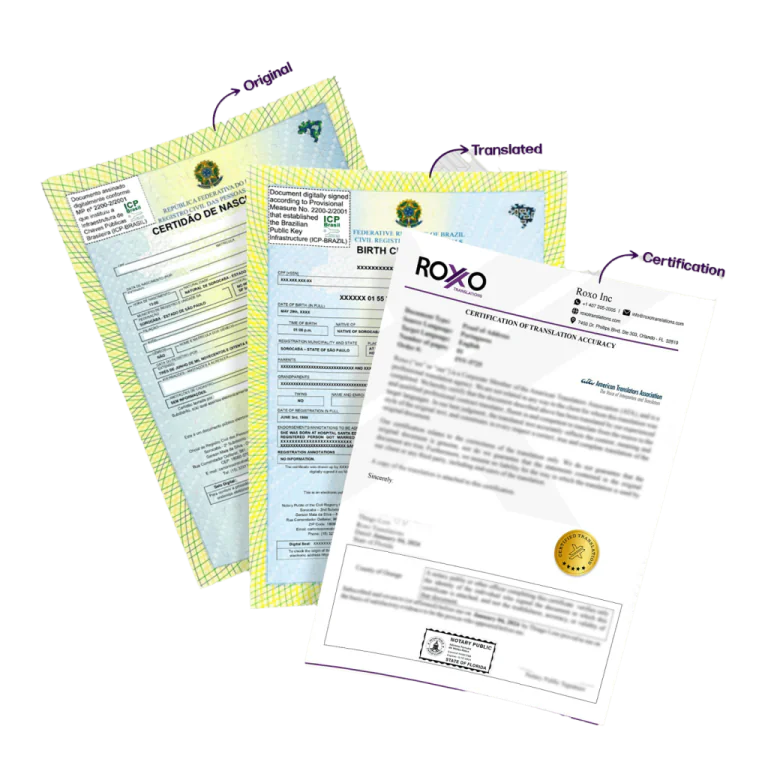
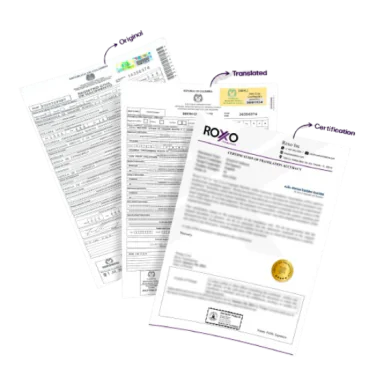
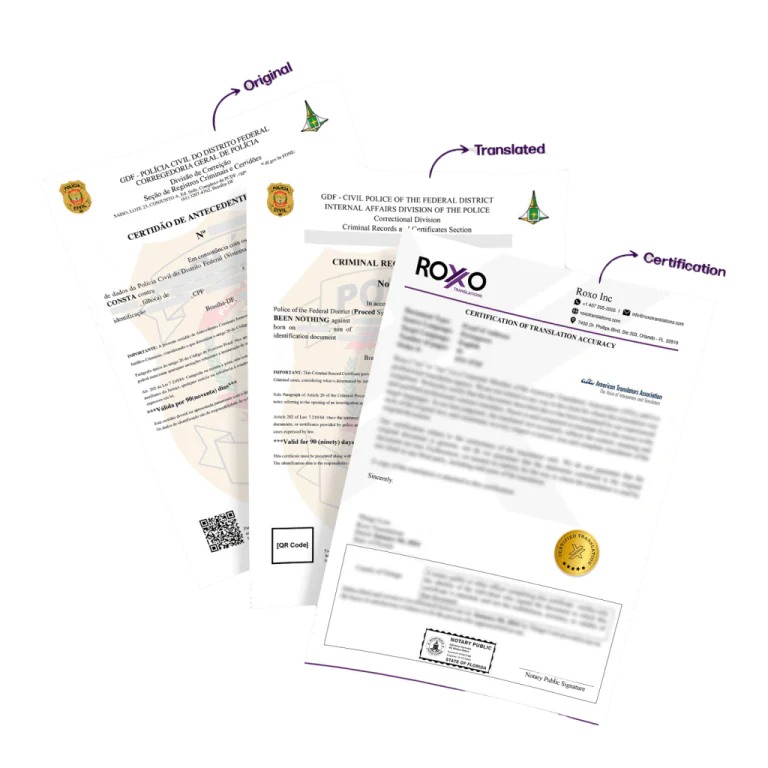
A certified translation is typically a translation accompanied by a signed statement (often called a certificate of accuracy) confirming that:
the translation is complete and accurate to the original, and
the translator (or translation company) is qualified to translate the document.
Different institutions may have different requirements (immigration offices, courts, universities, consulates). But the goal is the same: a reliable translation that can be accepted for official use.
When you usually need certified translation
Here are common scenarios where certification is required or strongly recommended:
Immigration and government processes
USCIS and other immigration agencies
visas, residency, citizenship
work permits and background checks
Vital records
birth certificates
marriage certificates
divorce decrees
death certificates
Academic and professional
diplomas and transcripts
letters of enrollment
professional licenses and certifications
Legal and business
court documents
contracts
affidavits
corporate records
If you’re searching “certified translator near me” or “document translation services near me,” you’re likely in one of these situations.
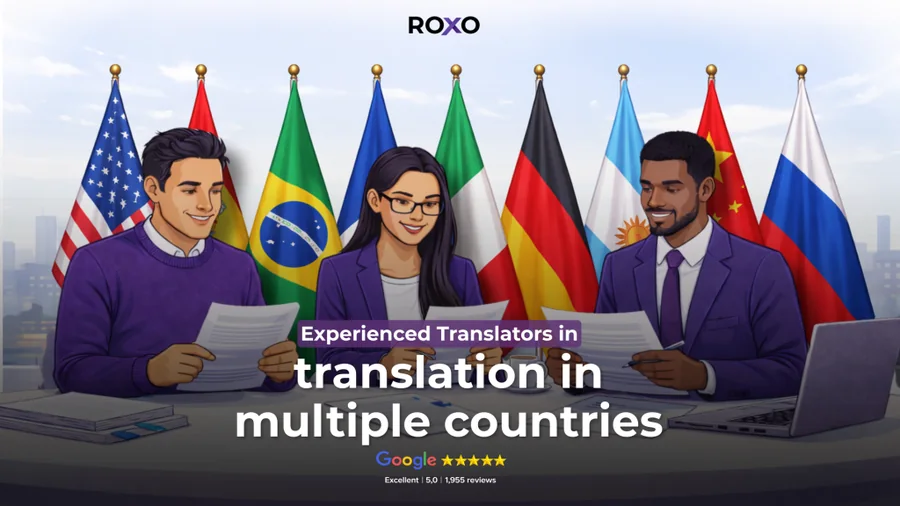
Why “experienced translators for multiple countries” matters
Global document translation isn’t only about language. It’s about consistent, high-quality handling across different document types and requirements. Experienced translators and teams can:
standardize names, dates, and formatting across multiple documents
include stamps, seals, notes, and annotations properly
maintain a clean layout that looks official
reduce back-and-forth revisions
advise when certification is needed (and when it’s not)
This is especially important when you’re submitting a “package” of documents, like immigration filings, where consistency is essential.
The most common mistakes that cause delays (and how to avoid them)
1) Name inconsistencies
Example: “María Fernanda López García” becomes:
Maria Fernanda Lopez Garcia in one document
Maria F. Lopez in another
Maria Lopez-Garcia elsewhere
Even small changes can trigger questions.
Fix: Decide the reference (often the passport) and keep the same spelling across every translated document.
2) Confusing date formats
Many countries format dates differently:
03/07/2026 could mean March 7 or July 3.
Fix: Keep the original date, but format it clearly in the translation if needed (and stay consistent).
3) Missing stamps, seals, or notes
Official documents often include:
stamps
seals
handwritten notes
marginal remarks
backside text
Fix: Ensure the translation includes all relevant markings and notes. “Complete translation” matters.
4) Poor formatting
Even accurate text can look unprofessional if the layout is messy.
Fix: A good certified translation should be readable, organized, and consistent with the source document’s structure.
5) No final quality check
One wrong digit in an ID number or a misspelled city can cause a rejection.
Fix: Use a provider that does a proper review before delivery.
“Online document translator” vs. professional certified translation
Tools and automatic translators can help you understand a document, but they are risky for official use because:
they can miss context or legal/technical meaning
they don’t provide a certificate of accuracy
they may mishandle names, abbreviations, and formatting
they don’t guarantee consistency across multiple documents
If the document is for an official purpose, you’ll almost always want a professional service.
What documents people translate most often
If you’re preparing for immigration or legal use, these are the most requested:
Birth certificate translation services
Marriage certificate translations
Divorce decree translations
Police clearance / background checks
Diplomas and transcripts
Passports (when requested)
Driver’s license (depending on requirements)
Court and legal documents
How to prepare your documents for faster turnaround
You can help speed up the process (and reduce mistakes) by doing these steps:
1) Send clear scans or photos
avoid shadows
include corners
make sure text is readable
include front/back if there is content
2) Provide context (country + purpose)
Tell the provider:
where you’re submitting (country/agency)
what it’s for (immigration, court, university, etc.)
3) Confirm spelling of names
If your documents show different spellings, clarify the correct version before translation begins.
4) Group documents as a package
If you have multiple documents, send them together so the team can keep everything consistent.
How to choose the right provider (a quick checklist)
When you’re comparing translation services, look for:
Certified translation available (when required)
Strong quality control / review process
Clear communication and fast support
Secure handling of sensitive documents
Experience with immigration, legal, and academic formats
Reliable turnaround times
Professional formatting and completeness
Searching “where can I translate my documents near me” is common, but proximity matters less than accuracy, certification, and consistency.
Practical tips to avoid rejection in immigration and legal submissions
If you want the safest outcome:
Translate every page that contains text (including stamps/notes)
Keep names consistent with your passport
Don’t “fix” or change the original content, translate it faithfully
Make sure the certificate of accuracy is included when required
Review the final translation carefully before submission
Final thoughts
When you need translation accepted across multiple countries, the best strategy is simple: choose experienced translators and a professional process, especially for certified translations.
At Roxo Translations, we help clients with certified document translation services for immigration, legal, academic, and business needs, 100% online, fast, and professionally formatted to reduce delays and improve acceptance.
Related topics: certified translator near me | document translation services near me | birth certificate translation services |immigration document translation | online certified translation Related article: Certified Translations for USCIS: Everything You Need to Know













 Birth Certificate
  Marriage Certificate
  Divorce Documents
  Academic Transcripts
  Medical Records
  Diploma
  Legal Contract
  Rental Contract
  Patent Application
  Statement
  Death Certificates
  Financial Statement
  Sworn Affidavits
  Driving License
  Vaccination Record
 Arabic
  Chinese
  French
  German
  Italian
  Japanese
  Korean
  Portuguese
  Russian
  Spanish
  Vietnamese